


Subsea cables connecting global data centers and digital infrastructure As global AI data center development accelerates, industry attention is often focused on servers, GPUs, power supply, liquid cooling, and energy efficiency. However, for multinational cloud service providers, data center operators, and large enterprise customers, another critical layer of infrastructure is equally important: subsea cables and cross-border network connectivity.
A data center is not an isolated building. It requires stable, high-speed, and low-latency international network connectivity to support cloud computing, AI training and inference, cross-region data backup, financial transactions, content delivery, and enterprise-level digital services. This is especially important in emerging markets such as the Middle East, Southeast Asia, Africa, and Latin America, where the progress and security of subsea cable development are directly affecting the pace of regional data center growth.
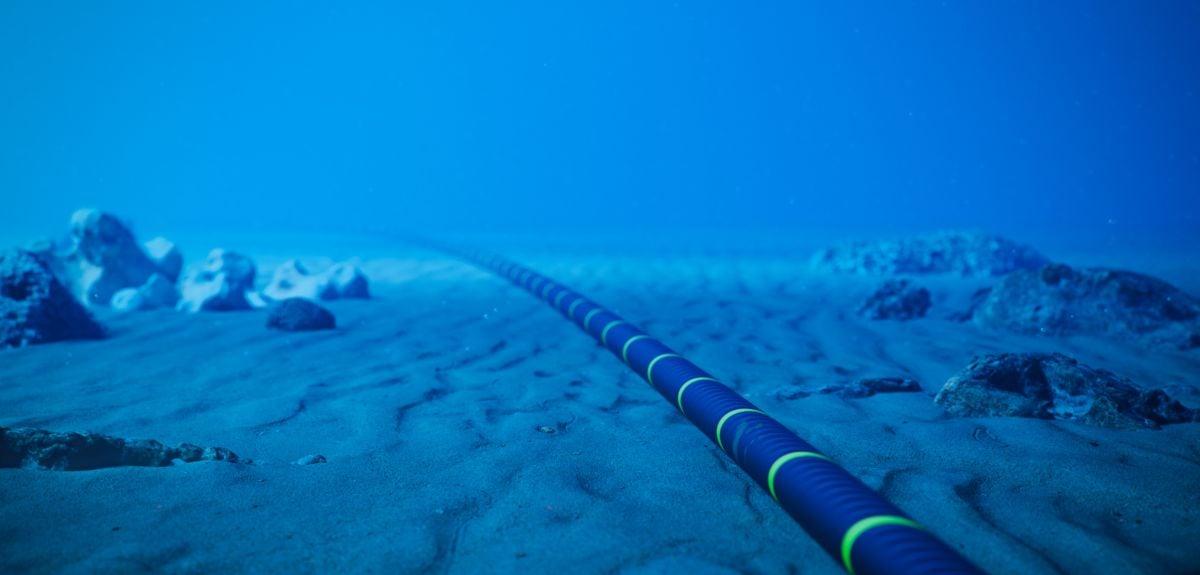
Subsea cables have long been regarded as the “invisible backbone” of the global internet. Although they are laid beneath the ocean and are not as visible as data center campuses, power plants, or communication towers, most cross-border data transmission relies on these undersea networks.
For the data center industry, the importance of subsea cables is mainly reflected in three areas.
First, they determine data transmission capacity between regions. Cross-border cloud services, AI model deployment, enterprise connectivity, financial systems, and content platforms all depend on high-capacity fiber networks to exchange data.
Second, they influence data center site selection. Even if a region has land, power supply, and policy support, it is difficult for it to become a true regional digital hub without stable international connectivity.
Third, they are directly related to service stability. Large cloud service providers and data center customers do not only evaluate the facility itself. They also assess network redundancy, route diversity, and cross-border connectivity risks.
As AI infrastructure enters a new stage of development, subsea cables are no longer only a telecommunications topic. They have become an important factor that the entire data center value chain must pay attention to.
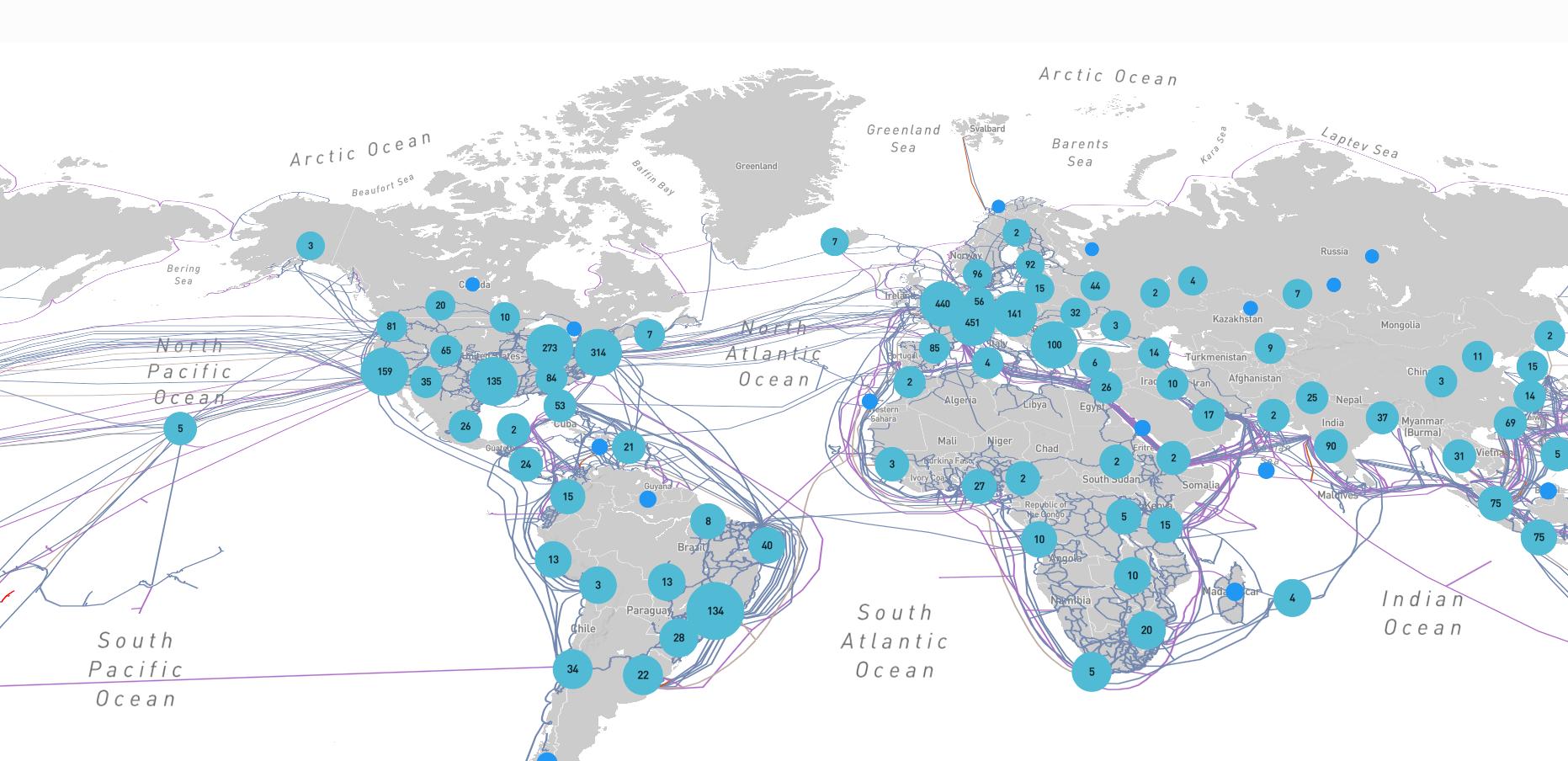
Recently, the progress of subsea cable projects in the Middle East and Red Sea region has attracted market attention.
Due to rising security risks around the Red Sea, the Strait of Hormuz, and nearby areas, some subsea cable projects have experienced delays or suspensions. These projects not only involve telecom operators, but are also closely connected to the data center strategies of cloud service providers and major technology companies in the Middle East.
In recent years, the Middle East has aimed to become a digital infrastructure hub connecting Asia, Europe, and Africa. Subsea cables, data centers, and cloud computing projects are key components of this strategy. If subsea cable construction is delayed, the region’s data center connectivity, project commissioning schedules, and customer confidence may all be affected.
This development shows that data center construction is not simply about building facilities and installing servers. For cross-regional projects, network connectivity, geopolitical security, international cable routes, cable repair vessel availability, insurance conditions, and permits from countries along the route may all become variables that affect project delivery.
Traditional data centers mainly supported enterprise IT systems, website hosting, storage, and general cloud services. With the development of AI applications, the role of data centers is becoming more complex.
AI training usually requires massive data input, and high-performance computing clusters need to exchange information quickly. AI inference services require lower latency and more stable network responses. For multinational enterprises and cloud service providers, a single-region data center is no longer sufficient for all business needs. Multi-region deployment and cross-border data transmission are becoming increasingly common.
This means that future competition among AI data centers will not only depend on the number of servers, but also on network connectivity.
If a region has sufficient power supply and data center campuses but lacks international connectivity, cloud service providers may find it difficult to deliver stable services to global customers. If subsea cable routes are overly concentrated, regional network stability may be challenged once failures, natural disasters, or geopolitical conflicts occur.
Therefore, subsea cables effectively form another lifeline for AI data centers. They determine whether data can enter the data center quickly and whether computing results can be efficiently delivered back to users around the world.
In the past, subsea cable failures were often caused by ship anchors, fishing activities, seabed geological changes, or natural disasters. In recent years, as the global geopolitical environment has changed, the strategic importance of subsea cables has become increasingly clear.
Regions such as the Red Sea, the Strait of Hormuz, and the Baltic Sea have all drawn attention due to security incidents involving undersea infrastructure. These areas are not only energy and shipping corridors, but also important data transmission routes.
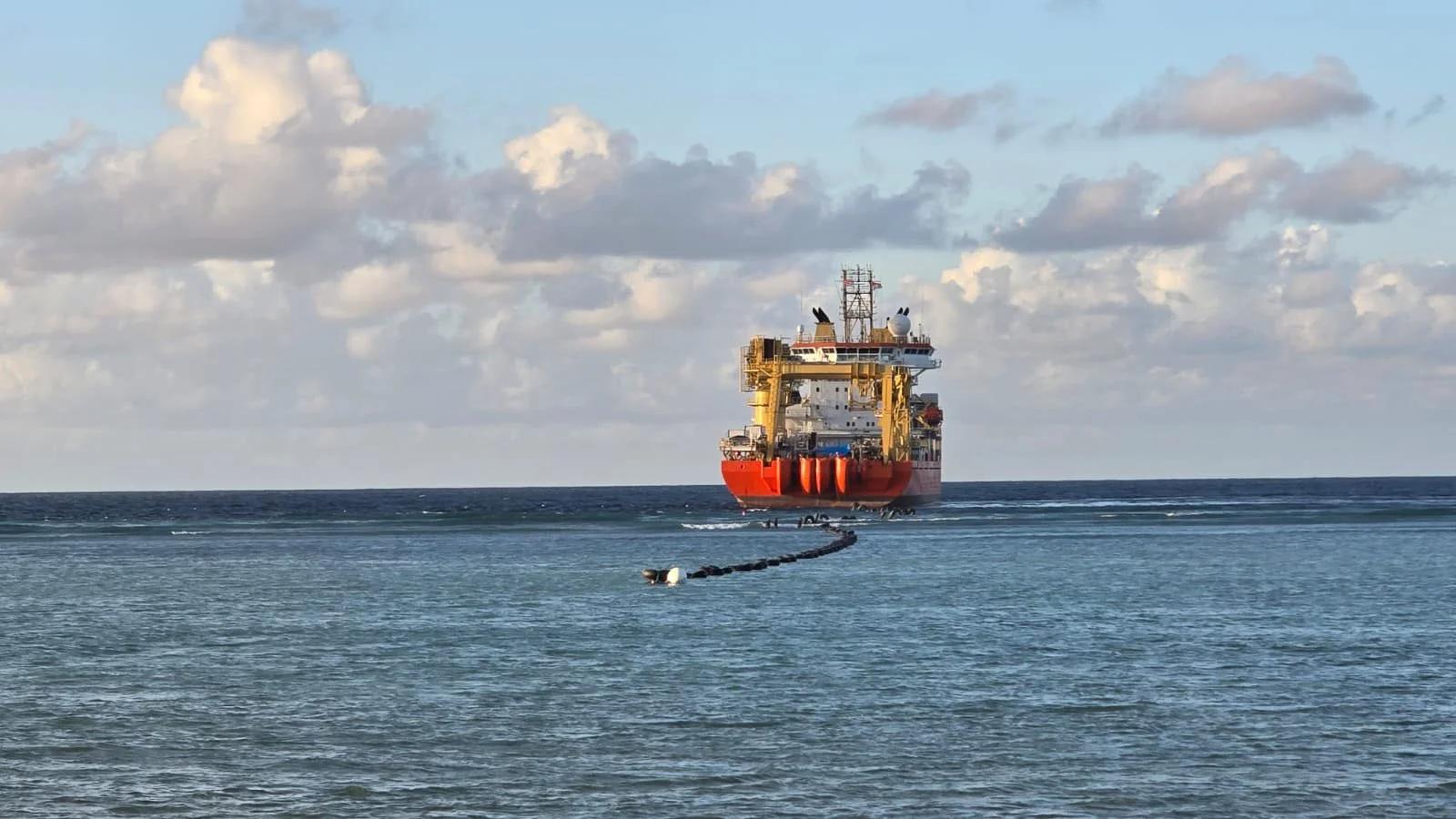
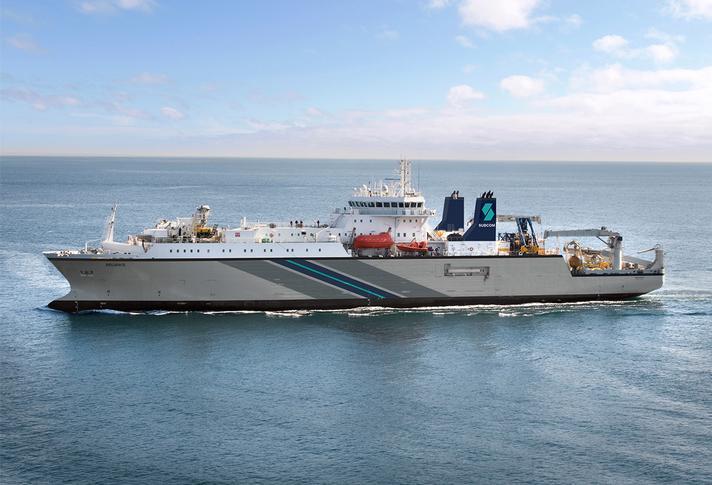
Once a subsea cable is damaged, repair is not simple. Cable repair requires specialized vessels, technical teams, route permits, and a relatively safe operating environment. If an incident occurs in a conflict area, the repair timeline may be significantly extended.
For data center operators, this means that network resilience and route redundancy are becoming more important. Reliance on a single cable route, a single landing point, or a single regional deployment may create additional risks. In the future, major cloud service providers and enterprise customers are likely to place greater emphasis on multi-route connectivity, multi-region backup, and the recoverability of cross-border networks.
The Middle East, Southeast Asia, Africa, and Latin America are becoming emerging regions for global data center investment. These markets often have fast-growing digital economies, young populations, rising cloud service demand, and government-backed digital transformation strategies.
However, investment momentum alone is not enough to build a mature data center market.
A truly competitive data center market needs power supply, network connectivity, land resources, policy support, telecommunications infrastructure, customs clearance efficiency, and local service capabilities. A weakness in any one of these areas may affect the construction timeline and operational stability of a project.
Subsea cables play the role of connection. They link local data centers to the global internet ecosystem, enabling regional markets to serve international customers and allowing multinational enterprises to deploy data with greater confidence.
Therefore, when evaluating whether a region is suitable for data center development, it is no longer enough to look only at local power prices, land costs, or policy incentives. Subsea cable landing points, international bandwidth, network redundancy, and cross-border connectivity security must also be considered.
The development of subsea cables and cross-border networks also affects the data center equipment supply chain.
As data center projects expand into markets such as the Middle East, Southeast Asia, Africa, and Latin America, cross-border demand for servers, switches, optical transceivers, storage systems, power equipment, and cabinets will continue to grow.
At the same time, project delivery is no longer only a transportation issue. Different countries have different requirements for communications equipment, wireless products, used IT equipment, importer qualifications, and customs clearance documents. Some projects may also involve IOR/EOR arrangements, local certifications, import permits, tax and duty disbursement, and last-mile delivery.
If subsea cable or network infrastructure projects are delayed, the commissioning schedules of related data center projects may also be adjusted. This can further affect equipment procurement, international transportation, warehousing arrangements, and on-site deployment plans.
For companies across the data center value chain, understanding the network infrastructure progress, import policies, and local delivery conditions of a project location can help them assess project risks and delivery timelines more accurately.
In the past, the data center industry paid more attention to facility scale, server numbers, and cloud computing capacity. Today, the development of AI infrastructure is pushing the industry into a more complex stage.
Future data center competition will no longer be limited to competition between individual campuses. It will become a competition of comprehensive infrastructure capabilities.
These capabilities include server and network equipment supply, stable access to power, efficient cooling, subsea cable and cross-border connectivity, project approval efficiency, import compliance, and localized delivery.
In other words, data centers are evolving from simple IT assets into integrated infrastructure supported by energy, communications, logistics, compliance, and supply chains.
For global data center operators, cloud service providers, and equipment supply chain companies, the ability to better understand the relationship between these infrastructure layers will support stronger execution capability and better risk control in future projects.
AI is driving a new construction cycle in the global data center industry. Servers, GPUs, power supply, and liquid cooling remain key industry priorities, but subsea cables and cross-border network connectivity should not be overlooked.
If data centers are the core nodes of the digital economy, then subsea cables are the global channels connecting those nodes.
As global markets accelerate the deployment of AI infrastructure, the success of data center projects will depend not only on facility construction itself, but also on the energy, network, compliance, and supply chain systems behind it.
In the future, truly competitive data center projects will not simply be those with more computing power. They will be the projects that can achieve stable global connectivity, secure delivery, and sustainable operations.

